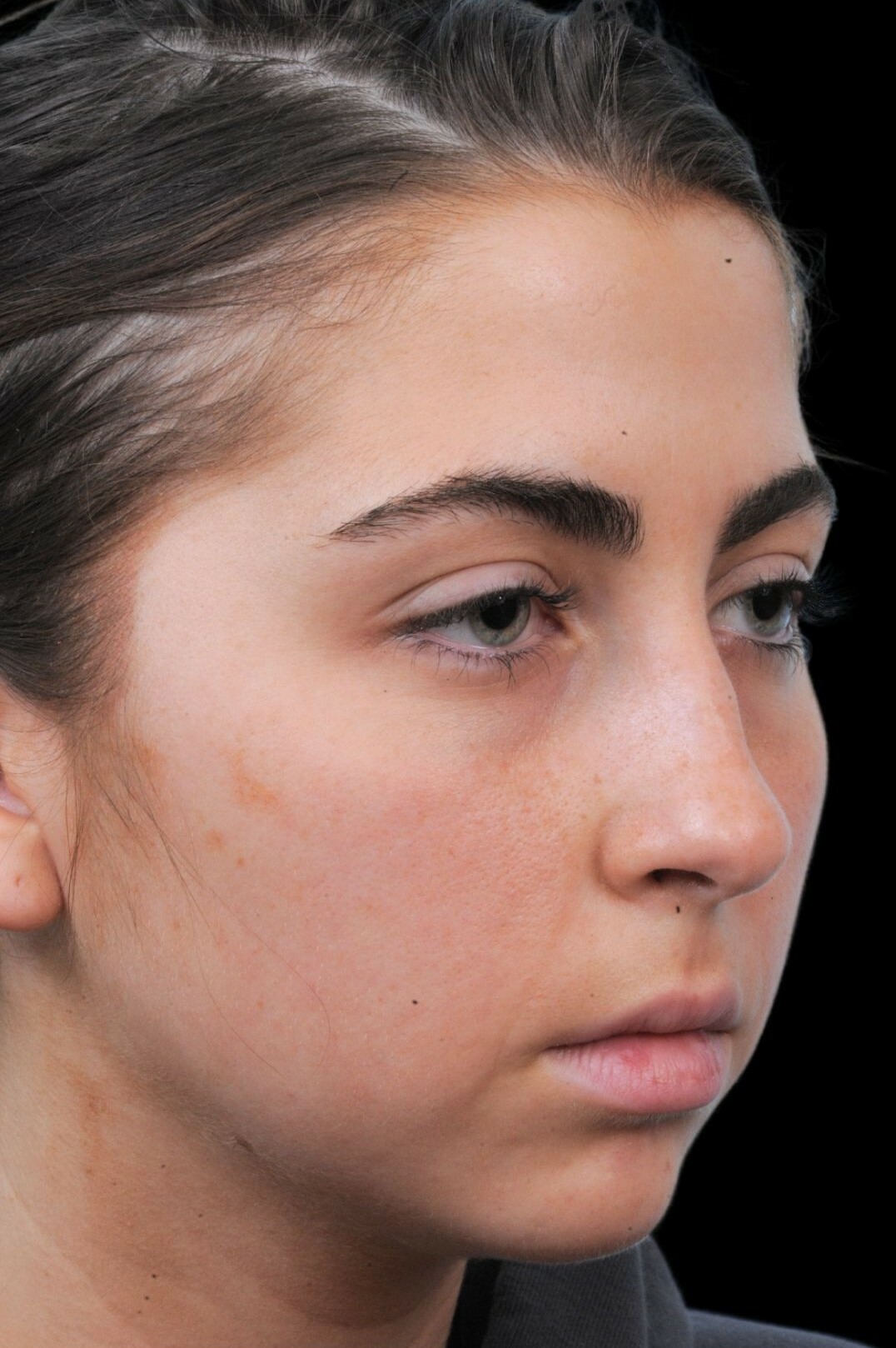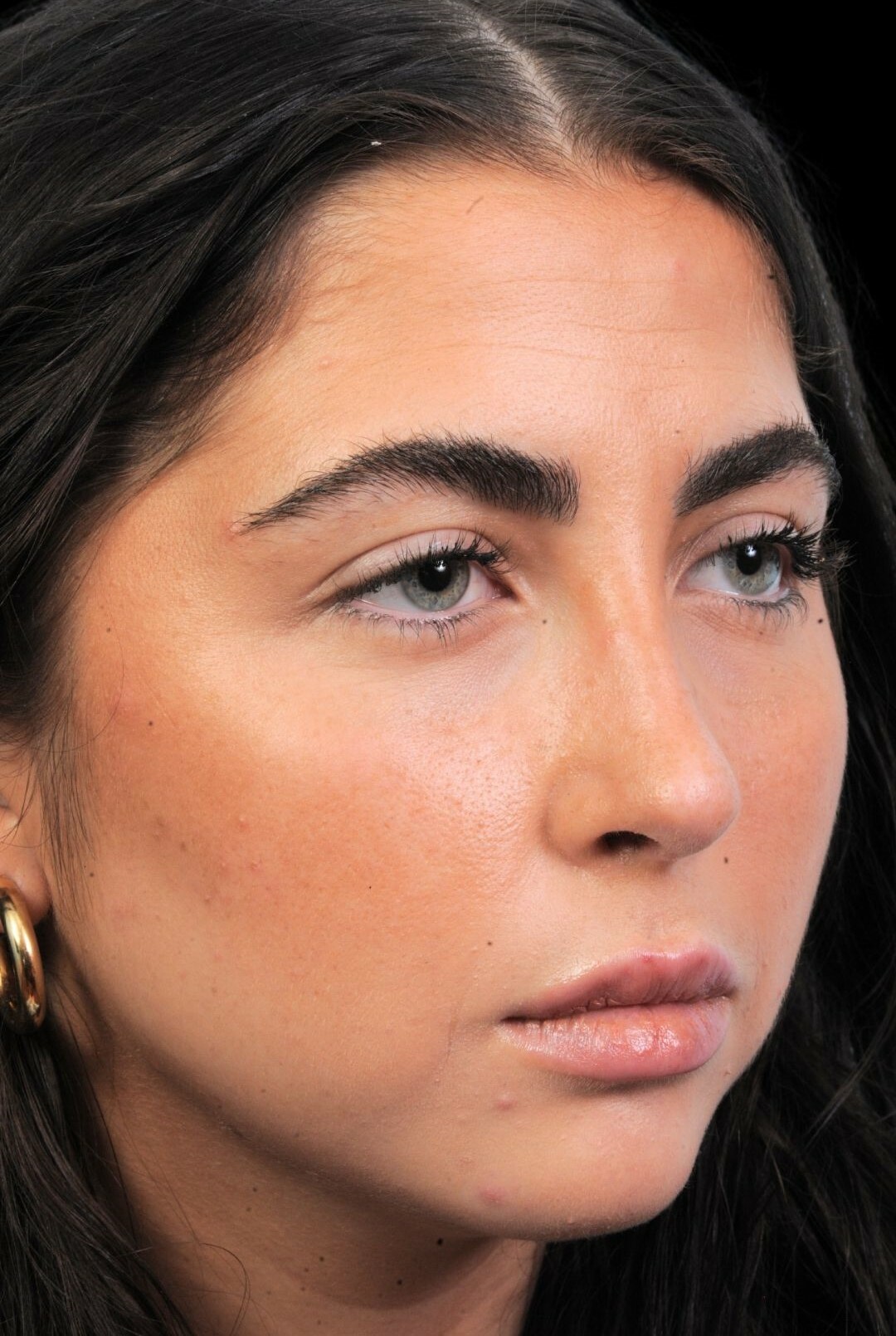

Is your crooked nose leaving you out of breath or lacking confidence? It's time to breathe better! Our FSIBR rhinoplasty surgeon is famous for artfully sculpted nose jobs that are structurally sound. Call us, your transformation awaits!
Are you tired of feeling self-conscious over an unsightly bump or uneven nostrils, and unsure where to turn for help? Turn to our board-certified surgeons for the answers! Their surgical technique skillfully sculpts flawless noses that combine beauty and functionality for outstanding results!
Discover the confidence-boosting power of primary rhinoplasty in Boca Raton, a sought-after procedure that enhances both your nose’s look and functionality. With its intricate three-dimensional structure crucial to both appearance and breathing, nose reshaping is a complex surgery only to be entrusted to the very best – and that’s precisely what you’ll find with us!
Men and women throughout Boca Raton seek the specialist services of FSIBR surgeons. They are board-certified in facial plastic and reconstructive surgery. Their comprehensive approach to each patient’s primary rhinoplasty achieves a proportional, natural-looking nose that looks as beautiful as it functions.
Don’t hold your breath any longer; book a consultation with Dr. Hancock today! They deliver remarkable results for patients throughout South Florida.
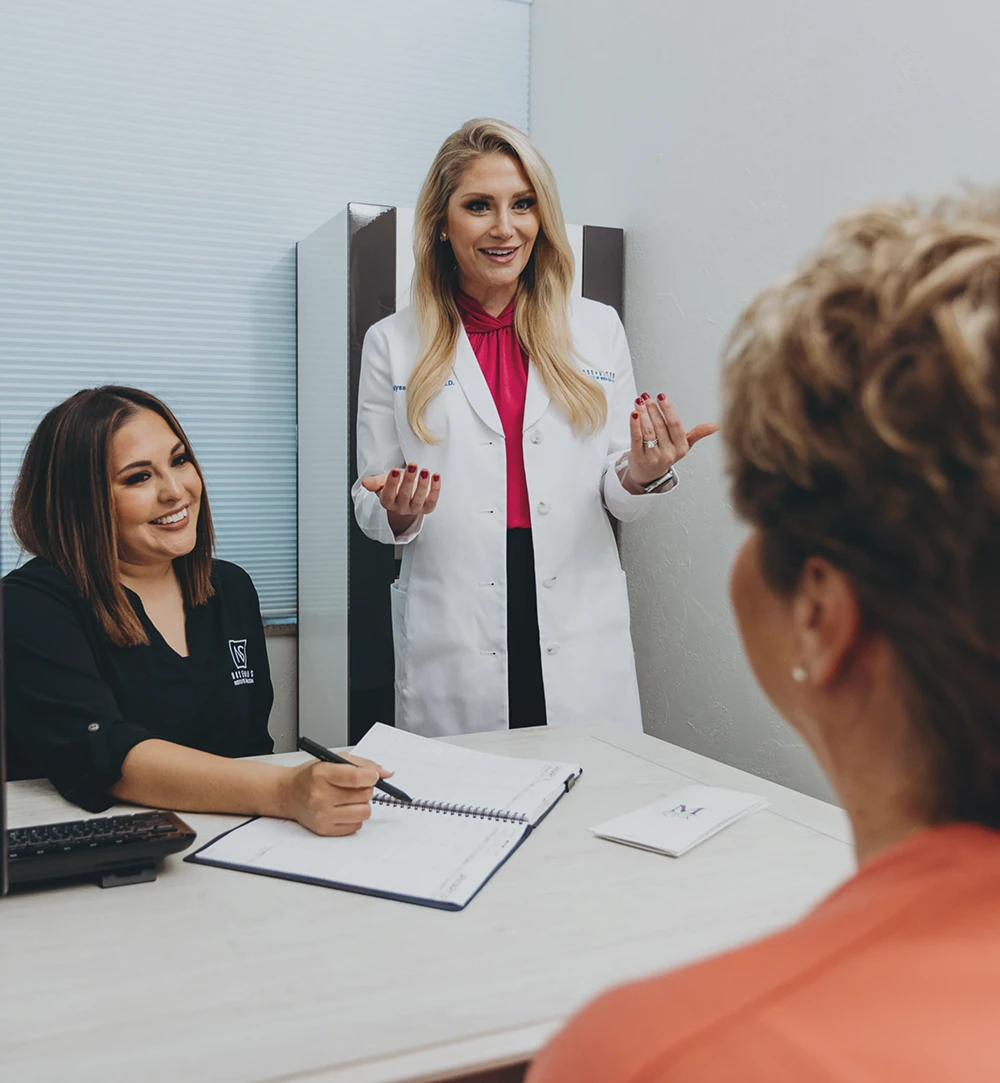

Begin your journey toward improved facial harmony and better breathing with the trusted team at FSIBR. From consultation through recovery, our double board-certified facial plastic and reconstructive surgeon provides personalized care to achieve your goals. With extensive experience in rhinoplasty, she is known for her precision and natural-looking results.
Ready to boost your confidence with a stunning new nose? Our expert surgeon at FSIBR combine the magic of advanced techniques and artistic finesse to give you a look you’ll truly adore.
A surgical procedure that enhances the shape of the nose.
No discomfort thanks to anesthetics and specialized care.
Improved appearance and function of the nose.
You may be if you are in good health.
Expect downtime and swelling.
Risk of infection and poor healing are reduced with our surgeons.
Rhinoplasty is a surgical procedure that alters the internal nasal framework beneath the skin of the nose. Your FSIBR rhinoplasty surgeon accesses the interior of the nose either through incisions made within the nostrils (closed rhinoplasty) or through a small incision along the underside of the nose (open rhinoplasty). At the same time, procedures to correct a deviated septum, sinus issues, and other airway problems can be performed. When the internal work is complete, the skin is repositioned over the new nasal framework and sutured closed.
One of the first surgical decisions your rhinoplasty surgeon will discuss with you is whether your procedure will be performed using an open or closed technique. Both approaches achieve beautiful results, and the right choice depends on your unique anatomy, the degree of change desired, and your surgeon’s assessment during consultation.
In the open approach, a small incision is made across the columella, the narrow strip of tissue between the nostrils. This allows the skin to be gently folded back, giving the surgeon direct, unobstructed access to the entire nasal framework. Open rhinoplasty is the preferred technique for:
The small columellar incision heals exceptionally well and typically becomes nearly imperceptible within weeks of surgery. While swelling may take slightly longer to fully resolve with this approach, the superior visualization it provides makes it the technique of choice for more complex cases, ensuring the best possible long-term outcome.
In the closed approach, all incisions are made entirely within the nostrils, leaving no external scars. This technique is well-suited for patients seeking more modest refinements, such as reducing a dorsal hump or making subtle tip adjustments. Closed rhinoplasty benefits include:
At FSIBR, each patient’s nasal anatomy and goals are evaluated and discussed before a recommendation is made on the approach that will deliver the most natural-looking, structurally sound result. There is no universally “better” technique; the best approach is always the one tailored to you.
Rhinoplasty results depend on numerous variables, including age, skin thickness, bone structure, and other factors. Our procedures are planned to your unique needs and can address various nasal structure concerns, such as a bump on the bridge, disproportionate nostrils, a crooked nose, and more. Consult with us and say goodbye to that unsightly bump on the bridge, unequal nostrils, or a crooked nose, and hello to newfound confidence!
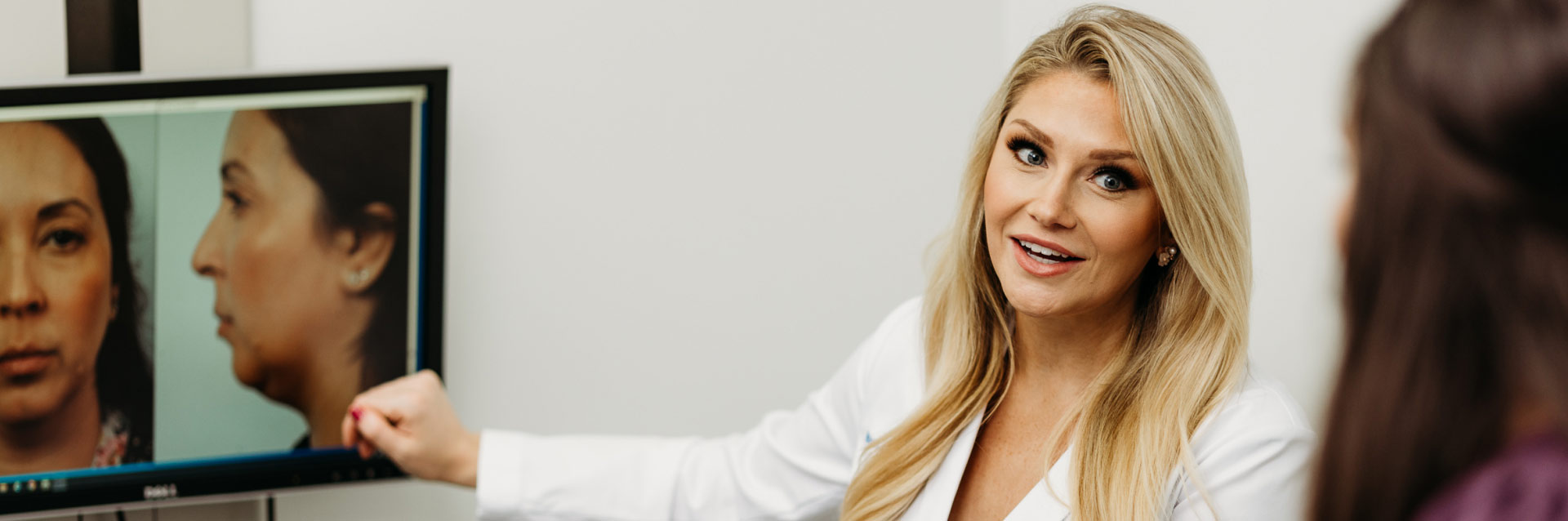
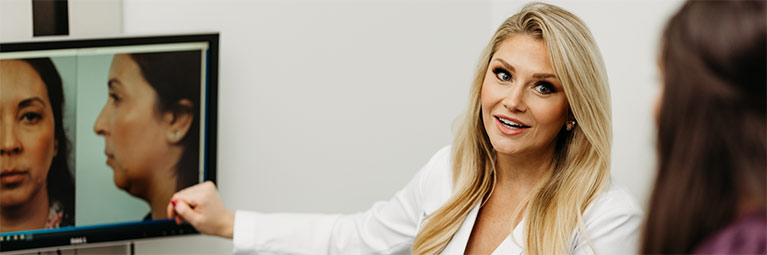
You will meet with one of our rhinoplasty surgeons to discuss your desired outcomes and review your medical history. During this visit, she may take photographs and use computer imaging to illustrate what your results could look like, giving you a realistic preview of the transformation ahead.
Photographs taken during the initial consultation and other measurements will be used to create a personalized plan for reshaping your nose in a way that complements your facial profile, ethnicity, and desired outcome.
Rhinoplasty patients are placed under general anesthesia then incisions are made either inside the nostrils or across the columella (the area between them). The skin is separated from underlying nasal structures, which are reshaped as necessary through a combination of cutting away tissue (bone and cartilage), adding tissue (grafts from other parts of your body or cadaver bone/cartilage), and repositioning existing structures.
Once changes have been made to reshape the nose, incisions are closed with sutures before a dressing is applied over them. Depending on the extent of surgery performed, surgical packing may be used inside the nose to help maintain its shape during the recovery.
Most patients experience swelling, bruising, and nasal congestion post-op. These symptoms improve throughout the 7 – 10 day rhinoplasty recovery time. After this, most patients resume their usual day-to-day activities, return to work, and are “restaurant ready” within 14 days. Strenuous activity, heavy lifting, and other physical activities may be limited for the first 3-6 weeks after surgery. The best nose job results occur if a patient understands the rhinoplasty recovery process.
There are many benefits to primary rhinoplasty. FSIBR patients are consistently pleased with their results, which include:
Patients choose primary rhinoplasty for various reasons, including cosmetic and medical. It is a very personal choice, and consultation with your board-certified plastic surgeon will determine if the procedure is right for you. You may be an ideal candidate if you:
Primary rhinoplasty risks and side effects are reduced when working with a board-certified facial plastic surgeon, such as FSIBR surgeon, Dr. Hancock. When considering a nose job, it is important to understand that, like all surgical procedures, it entails a certain degree of risk and side effects. These may include:
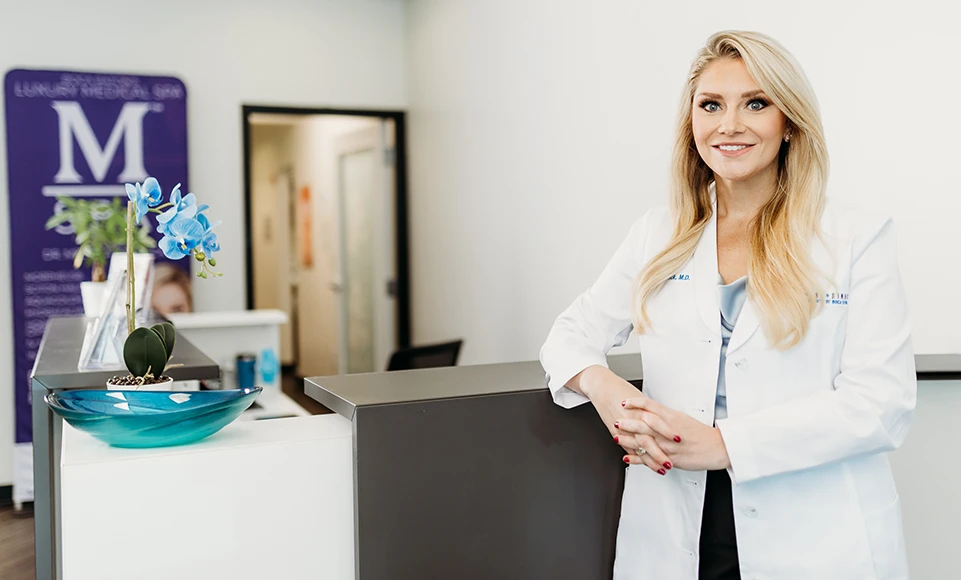

The cost of rhinoplasty can vary depending on the patient’s aesthetic or functional needs, the surgeon’s experience, qualifications, location, facilities and aftercare needs. Rhinoplasty cost is discussed in detail during an in-person consultation in Boca Raton, South Florida.
There is no ideal age to undergo a nose job. To determine if now is a good time for nose surgery, it is crucial to consult with our FSIBR surgeons.
Yes! Rhinoplasty reshapes the external nose for cosmetic or functional improvement, while septoplasty corrects a deviated septum to restore breathing. Both can be combined in one surgery.
A nose job typically takes around 7-10 days to recover from the surgery, although the swelling and bruising can last up to 2 weeks. The final results of your rhinoplasty can, however, take up to 12 months as the nose continues to heal and settle into its new position.
The surgery usually takes 1.5 – 3 hours and varies from patient to patient.
Generally, it is a relatively painless procedure because most anesthetics used will completely numb the area being operated on.
It is usually recommended to wait about 4-6 weeks before doing so for the nose to heal properly.
Blowing your nose should be avoided for at least two weeks after your surgery, as this could disrupt the healing process and cause further damage or bleeding.
Choosing the right rhinoplasty surgeon is one of the most important decisions in your journey. Here’s what to look for:
FSIBR facial plastic and reconstructive surgeons meet and exceed every one of these criteria. Schedule a consultation today to experience the difference that specialty training and dedicated rhinoplasty expertise make.

Written by Facial Surgery Institute of Boca Raton Medical Expert

© 2026 Facial Surgery Institute of Boca Raton. All Rights Reserved. Web Design and Digital Marketing by Webtools. Digital Strategy by SEOversite
Privacy Policy | Accessibility Statement | Terms and Conditions